
Last year, NASA had a number of major successes, including finding liquid water on Mars and icy mountains on Pluto. These discoveries led Congress to give the organization a raise, approving a budget of $19.3 billion.
The budget for this year is actually $1.27 billion more than what the Obama administration had requested. However, it does come with some requirements. Congress is instructing NASA to use at least $55 million to construct a prototype model of a deep space habitat.
An omnibus bill passed by Congress this month directs NASA to accelerate work on a “habitation augmentation module” that could be used for future deep space missions.
The Exploration Research And Development line item in the budget received an allocation of $350 million. The funding for the habitation module will be a part of the Advanced Exploration Systems program, which is a part of the aforementioned line item.
It states that “NASA shall develop a prototype deep space habitation module within the advanced exploration systems program.” In addition, NASA will be required to provide Congress with a report within 180 days of the bill’s enactment that details how those funds are being used to create the habitation module.
Congress is looking for quick results; they want everything done by 2018. So how will NASA do this?
Well, NASA has spent much of the last year voicing a desire to get humans to Mars by the 2030s. A habitation module that sits between Earth and the moon could be used for the manned missions to Mars that NASA hopes to carry out.
Sam Scimemi, International Space Station director at NASA Headquarters, stated that he envisions testing out the habitation module and other key technologies in a year-long “shakedown cruise” in cislunar space by the late 2020s.
The agency has already funded several industry studies of habitation module concepts under its Next Space Technologies for Exploration Partnerships, or NextSTEP program.
 The acronym “NASA”
 The universe is vast as it is beautiful. Every day the human race pushes further into that black unknown, we come closer to understanding more about the universe. Each discovery is new and powerful, transcending our wildest imaginings, and reminds us just how small we are. Recently, a discovery made by the Hubble Space Telescope revealed another event that had never been witnessed before by human eyes.
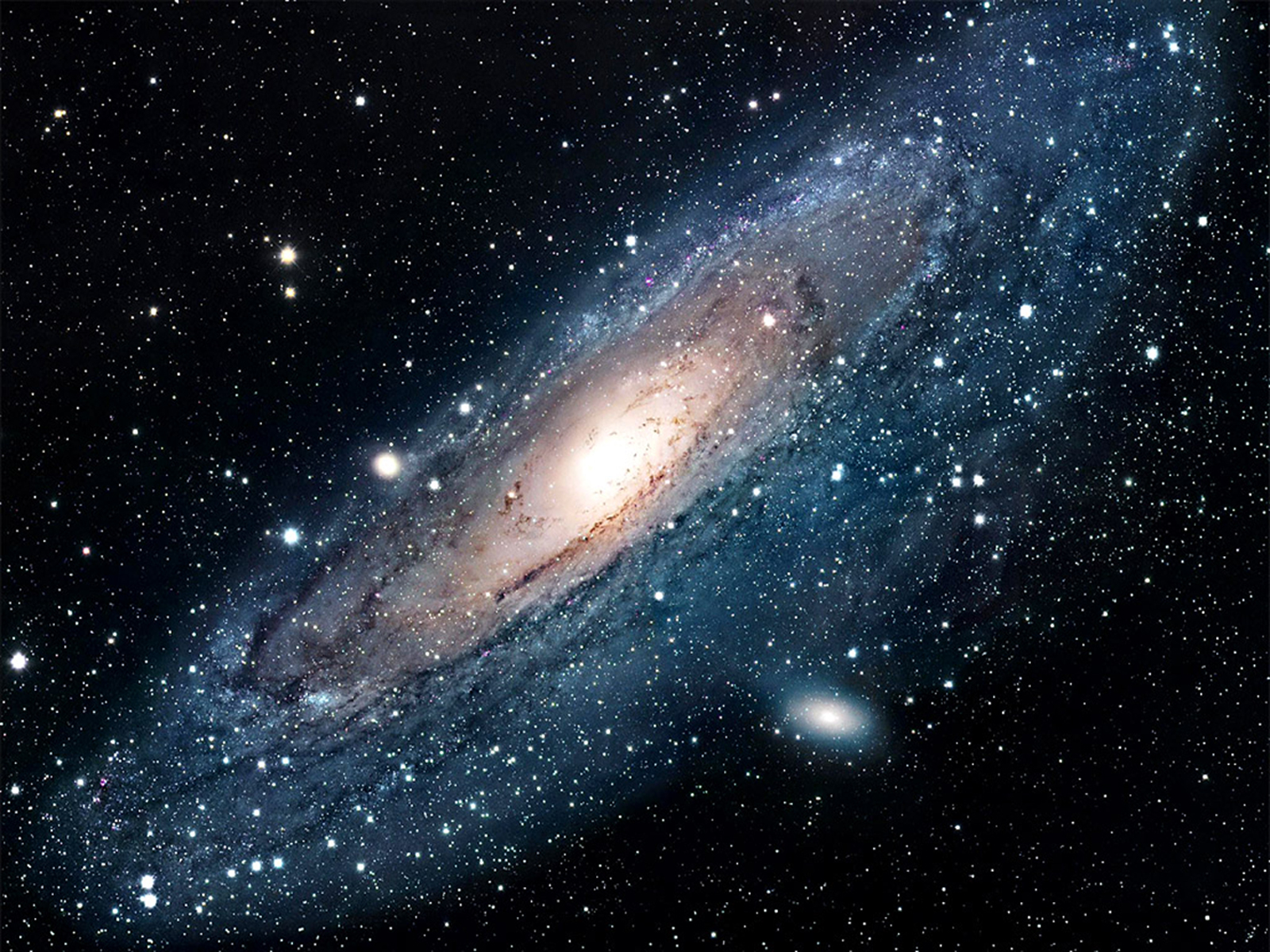 Humans have studied and explored our universe for thousands of years. We have learned a great deal about our planet and the universe as a whole from these studies, but there is still so much more to discover. That is what makes Astronomy such a fun and interesting field of study. It seems as though each week there is a new breakthrough, discovery, or change of belief related to space. What we have learned so far is certainly amazing as it is interesting, beautiful, and sometimes pretty strange. Here are 10 astronomy facts that show how astounding our universe truly is.